Lecture 12: The Great Depression |
||||||||||||||||||||||||||||||||||||||||||||||||||||||||||||||||||||||||||||||||||||||||||||||||||||||||||||||||||||||||||||||||||||||||||||||||||||||||||||||||||
|
It is appropriate to conclude our discussion of business cycles with a discussion of the Great Depression, the greatest business cycle of the 20th century. (That line will force these notes to be revised in a few years). |
||||||||||||||||||||||||||||||||||||||||||||||||||||||||||||||||||||||||||||||||||||||||||||||||||||||||||||||||||||||||||||||||||||||||||||||||||||||||||||||||||
|
The great depression was a real contraction in the economy. Many answers were given to explain why. The Marxists believed that this represented the final days of capitalism, and that we needed to usher in the communist revolution. Marxism believed that capitalism would push the wage rate to the Malthusian subsistence wage and that somehow there would be a dearth of demand of the product. Additional crackpots such as Huey Long with his “share the wealth scheme” advocated radical solutions for the problems of the day, which were fortunately turned back. Others believed in all sorts of nostrums for “sharing the work”, such as the schemes to push married women out of the labor force and lower the retirement age. |
||||||||||||||||||||||||||||||||||||||||||||||||||||||||||||||||||||||||||||||||||||||||||||||||||||||||||||||||||||||||||||||||||||||||||||||||||||||||||||||||||
|
We discuss the Great Depression, or the Great Contraction, as some wish to call it, not only because of its economic importance but also because of the dramatic impact it had on economists’ thinking. This was a big event in economics, and economists and economic theory were found wanting in their explanations. In part, this was due to some foolish behavior by economists. Irving Fisher, one of the great theorists of the early 20th century, made a speech in 1929 in which he said that stocks "appeared to have reached a permanently high plateau". Alas, untrue. In part, business cycles were a problem on which we had not worked very hard as a profession. Our explanations were found wanting. |
||||||||||||||||||||||||||||||||||||||||||||||||||||||||||||||||||||||||||||||||||||||||||||||||||||||||||||||||||||||||||||||||||||||||||||||||||||||||||||||||||
|
This is not the only Great Depression in
the United States. If we go back to
the 19th century, we will find depressions of similar magnitude. |
||||||||||||||||||||||||||||||||||||||||||||||||||||||||||||||||||||||||||||||||||||||||||||||||||||||||||||||||||||||||||||||||||||||||||||||||||||||||||||||||||
|
It also gives us an interesting example for discussing the relative importance of demand and supply shifts in causing business cycles. |
||||||||||||||||||||||||||||||||||||||||||||||||||||||||||||||||||||||||||||||||||||||||||||||||||||||||||||||||||||||||||||||||||||||||||||||||||||||||||||||||||
The Facts |
||||||||||||||||||||||||||||||||||||||||||||||||||||||||||||||||||||||||||||||||||||||||||||||||||||||||||||||||||||||||||||||||||||||||||||||||||||||||||||||||||
|
To get an idea of what happened, we need to look at some of the key data on the Great Depression. Tables 12-1, 12-2 and 12-3 present some historical data covering the period 1928-1941. Many date the Depression from the stock market crash in 1929, so 1928 is a pre-Depression year. By 1941, the Depression was over. A rearmament program was in full swing. World War II began in 1939, spending on defense rose dramatically with the fall of France in 1940 and soared after Pearl Harbor on December 7, 1941. |
||||||||||||||||||||||||||||||||||||||||||||||||||||||||||||||||||||||||||||||||||||||||||||||||||||||||||||||||||||||||||||||||||||||||||||||||||||||||||||||||||
|
|
||||||||||||||||||||||||||||||||||||||||||||||||||||||||||||||||||||||||||||||||||||||||||||||||||||||||||||||||||||||||||||||||||||||||||||||||||||||||||||||||||
|
||||||||||||||||||||||||||||||||||||||||||||||||||||||||||||||||||||||||||||||||||||||||||||||||||||||||||||||||||||||||||||||||||||||||||||||||||||||||||||||||||
|
|
||||||||||||||||||||||||||||||||||||||||||||||||||||||||||||||||||||||||||||||||||||||||||||||||||||||||||||||||||||||||||||||||||||||||||||||||||||||||||||||||||
|
||||||||||||||||||||||||||||||||||||||||||||||||||||||||||||||||||||||||||||||||||||||||||||||||||||||||||||||||||||||||||||||||||||||||||||||||||||||||||||||||||
A discussion of some of the series |
||||||||||||||||||||||||||||||||||||||||||||||||||||||||||||||||||||||||||||||||||||||||||||||||||||||||||||||||||||||||||||||||||||||||||||||||||||||||||||||||||
|
These series tell us something about what was going on in the Great Depression |
||||||||||||||||||||||||||||||||||||||||||||||||||||||||||||||||||||||||||||||||||||||||||||||||||||||||||||||||||||||||||||||||||||||||||||||||||||||||||||||||||
Gross Domestic Product (Series 2 and 3) |
||||||||||||||||||||||||||||||||||||||||||||||||||||||||||||||||||||||||||||||||||||||||||||||||||||||||||||||||||||||||||||||||||||||||||||||||||||||||||||||||||
|
Gross Domestic Product, GDP, remains the single best measure of how the economy is doing. Our discussion thus begins with data on GDP. Actually, we have data on GNP, Gross National Product, and not GDP. The difference between GDP and GNP does not matter for our understanding of the Great Depression. Table 12-1 gives two series: the inflation-adjusted value of GNP, presented in 1958 prices, as well as actual GNP. |
||||||||||||||||||||||||||||||||||||||||||||||||||||||||||||||||||||||||||||||||||||||||||||||||||||||||||||||||||||||||||||||||||||||||||||||||||||||||||||||||||
|
When most people talk about the Great Depression, they cite the 45% decline in nominal GNP. The series that really matters is real GNP. There, the decline was bad enough. From 1929 to 1933, real GNP fell by about 30%. In began to recover in late 1933, and had almost recovered by 1936. As you will note, there was a second decline in 1938, when the economy went into a second decline. |
||||||||||||||||||||||||||||||||||||||||||||||||||||||||||||||||||||||||||||||||||||||||||||||||||||||||||||||||||||||||||||||||||||||||||||||||||||||||||||||||||
|
When it happened, President Roosevelt was asked if his policies were not putting the nation into another depression. Roosevelt, a very smooth and glib politician, dismissed the charge by saying that this wasn't a Depression, but a "Recession", thus coining a new term, which we use to this day. We will talk about the 1937-38 recession later. |
||||||||||||||||||||||||||||||||||||||||||||||||||||||||||||||||||||||||||||||||||||||||||||||||||||||||||||||||||||||||||||||||||||||||||||||||||||||||||||||||||
|
If you wish to put these data in terms of 1998 prices, you can take the data on real GNP and multiply them by four. Thus the 1929 GNP of $203.6 billion is roughly $800 billion in 1998 prices. In short, the economy has grown tenfold since the Great Depression. |
||||||||||||||||||||||||||||||||||||||||||||||||||||||||||||||||||||||||||||||||||||||||||||||||||||||||||||||||||||||||||||||||||||||||||||||||||||||||||||||||||
The Stock Market (Series 4 and 7) |
||||||||||||||||||||||||||||||||||||||||||||||||||||||||||||||||||||||||||||||||||||||||||||||||||||||||||||||||||||||||||||||||||||||||||||||||||||||||||||||||||
|
People always talk about the stock market when they talk about the Great Depression. The series on the Stock Market gives the S&P 500, a series widely quoted today. (The series was arbitrarily set equal to 10 in 1941). Today, the S&P 500 exceeds 1,000, so you can see how much the market has grown in that time. |
||||||||||||||||||||||||||||||||||||||||||||||||||||||||||||||||||||||||||||||||||||||||||||||||||||||||||||||||||||||||||||||||||||||||||||||||||||||||||||||||||
|
These data give the average of the S&P 500 over time. While the market began its decline in October 1929, the average was up for the year. The decline on Black Monday, the really bad day in October 1929, was a little over 10%. Compare that to the 20-plus percent decline on the record day in October 1987. |
||||||||||||||||||||||||||||||||||||||||||||||||||||||||||||||||||||||||||||||||||||||||||||||||||||||||||||||||||||||||||||||||||||||||||||||||||||||||||||||||||
|
Ultimately the market "crashed". The average value in 1932 was only about 7.0, well below the average of 26 in 1929. In fact, the bottom was in March 1933, when the economy went into a steep decline. |
||||||||||||||||||||||||||||||||||||||||||||||||||||||||||||||||||||||||||||||||||||||||||||||||||||||||||||||||||||||||||||||||||||||||||||||||||||||||||||||||||
|
Note three important points. First, the decline did not take place in a single year. The market went down in 1930, 1931, and 1932. (It had also been declining in the last quarter of 1929 and continued to decline in the first quarter of 1933, but the annual data do not show those declines). Second, as column (7) of Table 12-1 indicates, the market declined, in inflation adjusted terms to about a third of its pre-crash value. Finally, the market did recover to about 70 percent of its pre crash value by 1936 (in real terms). After that, it declined further, in part due to the 1937-38 recession, and in part to the coming of World War II. |
||||||||||||||||||||||||||||||||||||||||||||||||||||||||||||||||||||||||||||||||||||||||||||||||||||||||||||||||||||||||||||||||||||||||||||||||||||||||||||||||||
The Price Level (Series 5 and 6) |
||||||||||||||||||||||||||||||||||||||||||||||||||||||||||||||||||||||||||||||||||||||||||||||||||||||||||||||||||||||||||||||||||||||||||||||||||||||||||||||||||
|
It is hard for many of us to realize, but prices can go down. The price level declined during the Great Depression. In terms of the 1929 price level, the price level had declined by 22% by 1933. There was recovery, again interrupted by the 1937-38 recession. By 1941, prices had essentially returned to their pre-depression level. |
||||||||||||||||||||||||||||||||||||||||||||||||||||||||||||||||||||||||||||||||||||||||||||||||||||||||||||||||||||||||||||||||||||||||||||||||||||||||||||||||||
The Unemployment Rate (Series 8) |
||||||||||||||||||||||||||||||||||||||||||||||||||||||||||||||||||||||||||||||||||||||||||||||||||||||||||||||||||||||||||||||||||||||||||||||||||||||||||||||||||
|
As you can see, the unemployment rate soared during the Great Depression, reaching a peak of 25%. After 1933, the rate began to decline, reaching 14 percent by 1937. With the next recession, it rose again, and then resumed its decline. By 1941 it was down to 10% and then really began to decline during World War II |
||||||||||||||||||||||||||||||||||||||||||||||||||||||||||||||||||||||||||||||||||||||||||||||||||||||||||||||||||||||||||||||||||||||||||||||||||||||||||||||||||
Average Earnings (Series 9 and 10) |
||||||||||||||||||||||||||||||||||||||||||||||||||||||||||||||||||||||||||||||||||||||||||||||||||||||||||||||||||||||||||||||||||||||||||||||||||||||||||||||||||
|
We are also quite interested in what happened to wage rates. Column 9 gives the data on nominal wage rates. The most interesting series is, of course, Column 10, the real wage rate. During the Great Depression, average earnings declined about seven percent. The reached pre-Depression levels by 1936, made a modest decline in the 1937-38 recession, and then began rising again. |
||||||||||||||||||||||||||||||||||||||||||||||||||||||||||||||||||||||||||||||||||||||||||||||||||||||||||||||||||||||||||||||||||||||||||||||||||||||||||||||||||
Interest Rate on Long Term Government Bonds (Series 11) |
||||||||||||||||||||||||||||||||||||||||||||||||||||||||||||||||||||||||||||||||||||||||||||||||||||||||||||||||||||||||||||||||||||||||||||||||||||||||||||||||||
|
These data show modest movement in long-term government bonds. Of course, these are nominal interest rates, not real rates. Realized real rates were much higher. We really do not know what happened to inflationary expectations, so we can't tell much about what happened to expected real rates during this period. |
||||||||||||||||||||||||||||||||||||||||||||||||||||||||||||||||||||||||||||||||||||||||||||||||||||||||||||||||||||||||||||||||||||||||||||||||||||||||||||||||||
Real GDP and its Components (Series 2, 12, 13, 14, and 15) |
||||||||||||||||||||||||||||||||||||||||||||||||||||||||||||||||||||||||||||||||||||||||||||||||||||||||||||||||||||||||||||||||||||||||||||||||||||||||||||||||||
|
The last five columns of Table 12-2 give data on real GDP and its components. (The data are not available for 1928). Consumption had declined by about 20 percent from 1929 to 1933. As you will note this is less than the decline in real GDP. It rose back to pre-Depression levels by 1937, falling about two percent in the 1937-38 recession, and then resuming its growth. |
||||||||||||||||||||||||||||||||||||||||||||||||||||||||||||||||||||||||||||||||||||||||||||||||||||||||||||||||||||||||||||||||||||||||||||||||||||||||||||||||||
|
Series 14 and 15 give data on government purchases of goods and services. As you can see, federal purchases were only a small fraction of total purchases. While federal purchases more than tripled from 1929 to 1939, they remained a small portion of GDP. Of course, government purchases of Goods and Services began to soar in 1940 (and particularly in 1941) as the nation prepared for war. |
||||||||||||||||||||||||||||||||||||||||||||||||||||||||||||||||||||||||||||||||||||||||||||||||||||||||||||||||||||||||||||||||||||||||||||||||||||||||||||||||||
The Money Supply (Series 16 and 17) |
||||||||||||||||||||||||||||||||||||||||||||||||||||||||||||||||||||||||||||||||||||||||||||||||||||||||||||||||||||||||||||||||||||||||||||||||||||||||||||||||||
|
The last two data series show the money supply. When discussing the Great Depression, most economists talk about M2, but, for completeness, this table gives M1 as well. As you can see, M2 declined by over 30% from 1929 to 1933, rose to pre-Depression levels by 1937, and then declined again during the 1937-38 recession. Data on M1 show a similar pattern. Many economists think the money supply data explains the 1930's. |
||||||||||||||||||||||||||||||||||||||||||||||||||||||||||||||||||||||||||||||||||||||||||||||||||||||||||||||||||||||||||||||||||||||||||||||||||||||||||||||||||
What Happened |
||||||||||||||||||||||||||||||||||||||||||||||||||||||||||||||||||||||||||||||||||||||||||||||||||||||||||||||||||||||||||||||||||||||||||||||||||||||||||||||||||
|
Now let us try to explain what actually happened during the Great Depression. This is a complicated story, for so much happened during this period. |
||||||||||||||||||||||||||||||||||||||||||||||||||||||||||||||||||||||||||||||||||||||||||||||||||||||||||||||||||||||||||||||||||||||||||||||||||||||||||||||||||
Warning required by the Economist-General: |
||||||||||||||||||||||||||||||||||||||||||||||||||||||||||||||||||||||||||||||||||||||||||||||||||||||||||||||||||||||||||||||||||||||||||||||||||||||||||||||||||
|
· Economists are still debating what caused the Great Depression. We want to present an explanation in a few pages, so the discussion will cover some controversial material without giving all of the background and all of the issues. |
||||||||||||||||||||||||||||||||||||||||||||||||||||||||||||||||||||||||||||||||||||||||||||||||||||||||||||||||||||||||||||||||||||||||||||||||||||||||||||||||||
Phase I – The 1929 Recession |
||||||||||||||||||||||||||||||||||||||||||||||||||||||||||||||||||||||||||||||||||||||||||||||||||||||||||||||||||||||||||||||||||||||||||||||||||||||||||||||||||
|
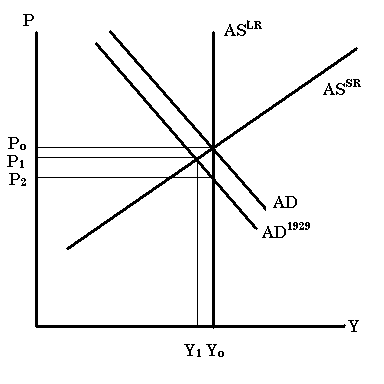
We may perhaps never know exactly
what started the process, but it seems likely that a modest recession began
in 1929. Perhaps a reduction in
aggregate demand caused the recession; perhaps a reduction in aggregate
supply was the cause. The stock
market crash in October 1929, though relatively mild, signaled an economic
downturn. In any event, a recession began. For simplicity, we will assume a reduction
in aggregate demand. Figure 12-1
illustrates what happened. Aggregate
demand drops from AD to AD1929. |
||||||||||||||||||||||||||||||||||||||||||||||||||||||||||||||||||||||||||||||||||||||||||||||||||||||||||||||||||||||||||||||||||||||||||||||||||||||||||||||||||
|
Of course, this is a simple recession. If this were the entire story, we would have expected that the short run aggregate supply curve to rotate. As it did, we would expect a decline in the price level and a return to the long run aggregate supply curve. In terms of Figure 12-1, GDP would first have declined from Yo to Y1, as prices declined from Po to P1. As prices further declined to P2, GDP would return to Yo. |
||||||||||||||||||||||||||||||||||||||||||||||||||||||||||||||||||||||||||||||||||||||||||||||||||||||||||||||||||||||||||||||||||||||||||||||||||||||||||||||||||
|
|
||||||||||||||||||||||||||||||||||||||||||||||||||||||||||||||||||||||||||||||||||||||||||||||||||||||||||||||||||||||||||||||||||||||||||||||||||||||||||||||||||
Phase II – 1929-1933 |
||||||||||||||||||||||||||||||||||||||||||||||||||||||||||||||||||||||||||||||||||||||||||||||||||||||||||||||||||||||||||||||||||||||||||||||||||||||||||||||||||
|
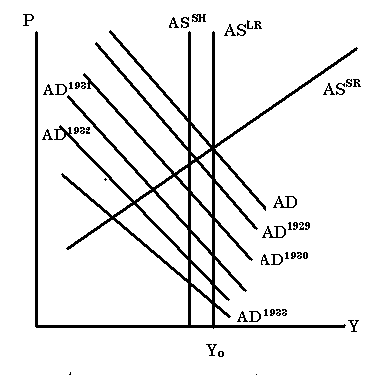
Alas, this was not the entire story. From 1929 to 1933, the Federal Reserve System allowed money supply to fall. Each of these declines resulted in a further decline in aggregate demand from AD1929 to AD1930, then to AD1931 next to AD1932 and finally to AD1933, as shown in Figure 12-2. |
||||||||||||||||||||||||||||||||||||||||||||||||||||||||||||||||||||||||||||||||||||||||||||||||||||||||||||||||||||||||||||||||||||||||||||||||||||||||||||||||||
|
At the same time, there was a reduction in aggregate supply, thanks to the Smoot-Hawley Tariff. This was a dreadful tariff. Most American Economists signed a famous telegram to President Hoover urging him to veto the bill. Alas, he did not. We will talk more about this tariff when we turn to the international sector. Ostensibly designed to increase domestic consumption by restricting imports, the tariff led to a trade war, restricting the demand for American products as well. The reduction in aggregate supply came about because of forgoing the advantages of free trade. |
||||||||||||||||||||||||||||||||||||||||||||||||||||||||||||||||||||||||||||||||||||||||||||||||||||||||||||||||||||||||||||||||||||||||||||||||||||||||||||||||||
|
As you will note, the stock market declined further in each of these years. The stock market tends to predict future events in an economy. The further decline in each of these years means that each reduction in aggregate demand and hence in output came as a surprise. If the declines in 1930-1933 were inevitable after 1929, the market would have made a sharp decline in 1929 and not declined further after that. Thus, the declines are evidence that these further declines came as a surprise. |
||||||||||||||||||||||||||||||||||||||||||||||||||||||||||||||||||||||||||||||||||||||||||||||||||||||||||||||||||||||||||||||||||||||||||||||||||||||||||||||||||
|
The continuing decline in consumption reinforces this conclusion. As we know, people base their consumption decisions on both current income and expected future income. Since consumption continued its decline in 1930-1933, this is further evidence that people were continually becoming increasingly pessimistic. Each year's action by the Federal Reserve System came as a surprise, and led to further reductions in consumption demand. |
||||||||||||||||||||||||||||||||||||||||||||||||||||||||||||||||||||||||||||||||||||||||||||||||||||||||||||||||||||||||||||||||||||||||||||||||||||||||||||||||||
|
The impact of the decline in aggregate demand was militated (yes, that is the right word) by the reduction in aggregate supply, thanks to Smoot and Hawley. |
||||||||||||||||||||||||||||||||||||||||||||||||||||||||||||||||||||||||||||||||||||||||||||||||||||||||||||||||||||||||||||||||||||||||||||||||||||||||||||||||||
|
To make this graph simple, we have drawn it with a single short run aggregate supply curve. There was some rotation of the curve during this period, but not very much. |
||||||||||||||||||||||||||||||||||||||||||||||||||||||||||||||||||||||||||||||||||||||||||||||||||||||||||||||||||||||||||||||||||||||||||||||||||||||||||||||||||
|
|
||||||||||||||||||||||||||||||||||||||||||||||||||||||||||||||||||||||||||||||||||||||||||||||||||||||||||||||||||||||||||||||||||||||||||||||||||||||||||||||||||
Two Unanswered Questions |
||||||||||||||||||||||||||||||||||||||||||||||||||||||||||||||||||||||||||||||||||||||||||||||||||||||||||||||||||||||||||||||||||||||||||||||||||||||||||||||||||
|
Two questions come to mind when discussing the events in 1929-1933. |
||||||||||||||||||||||||||||||||||||||||||||||||||||||||||||||||||||||||||||||||||||||||||||||||||||||||||||||||||||||||||||||||||||||||||||||||||||||||||||||||||
|
· Why did not the short run aggregate supply curve rotate more, and bring us back to recovery? |
||||||||||||||||||||||||||||||||||||||||||||||||||||||||||||||||||||||||||||||||||||||||||||||||||||||||||||||||||||||||||||||||||||||||||||||||||||||||||||||||||
|
· Second, why did the Federal Reserve System allow this to happen? |
||||||||||||||||||||||||||||||||||||||||||||||||||||||||||||||||||||||||||||||||||||||||||||||||||||||||||||||||||||||||||||||||||||||||||||||||||||||||||||||||||
The Short Run Supply Curve |
||||||||||||||||||||||||||||||||||||||||||||||||||||||||||||||||||||||||||||||||||||||||||||||||||||||||||||||||||||||||||||||||||||||||||||||||||||||||||||||||||
|
On the first point, there is considerable debate. People expected the depression to be short lived. There had been other sharp contractions, most recently at the end of World War I, which were followed by quick recovery, and many people expected this one to come to a quick end. Thus, President Hoover was widely quoted as saying, "Prosperity is just around the corner". The Democratic Party adopted as its theme song a popular tune "Happy days are here again". The first half of the depression really was not a sharp contraction. The bottom did not fall out until some time in late 1931. |
||||||||||||||||||||||||||||||||||||||||||||||||||||||||||||||||||||||||||||||||||||||||||||||||||||||||||||||||||||||||||||||||||||||||||||||||||||||||||||||||||
|
As we know, the supply curve rotates when people being to change their expectations. For most of this period, people expected prices and economic activity to return to their pre-Depression levels. Hence, there was no rotation of the short run supply curve. |
||||||||||||||||||||||||||||||||||||||||||||||||||||||||||||||||||||||||||||||||||||||||||||||||||||||||||||||||||||||||||||||||||||||||||||||||||||||||||||||||||
|
We might compare these events with the recession at the end of World War I. This was a sharp contraction. Prices fell dramatically, and economic activity soon returned to long run aggregate supply. But, in that decline, people knew that prices had been pushed up by the World War I, and expected there to be a sharp price decline, which they expected to be permanent. Hence, the adjustment, while bitter, was short. |
||||||||||||||||||||||||||||||||||||||||||||||||||||||||||||||||||||||||||||||||||||||||||||||||||||||||||||||||||||||||||||||||||||||||||||||||||||||||||||||||||
The Federal Reserve System |
||||||||||||||||||||||||||||||||||||||||||||||||||||||||||||||||||||||||||||||||||||||||||||||||||||||||||||||||||||||||||||||||||||||||||||||||||||||||||||||||||
|
Economists still wonder why the Federal Reserve System acted as it did. When the Federal Reserve System was set up, one of their essential functions was to be a "bankers bank", a lender of last resort. When banks began to run out of reserves and face liquidity problems, the Federal Reserve System was supposed to step in and make adequate funds available to insure liquidity. On some cases, they have done that. For example, after the 20% decline in the stock market in October 1987, there were fears that some brokerage firms (particularly E. F. Hutton) would go bankrupt. Since these firms owed large amounts to banks, there was a fear that banks themselves would go bankrupt. That fear lasted only a few hours, until Alan Greenspan, newly installed as Chairman of the Federal Reserve System, spoke clearly. He assured banks that the discount window was wide open, and that the Federal Reserve System would make whatever loans it took. |
||||||||||||||||||||||||||||||||||||||||||||||||||||||||||||||||||||||||||||||||||||||||||||||||||||||||||||||||||||||||||||||||||||||||||||||||||||||||||||||||||
|
The Federal Reserve System did not do so in 1929-1933. In their classic Monetary History of the United States, Milton Friedman and Anna Schwartz discuss the record of the Federal Reserve System. During this period, they allowed M2 to fall by about a third. Anyone who has studied the Quantity Theory knows that a 1/3 decline in the money level will lead to a falling price level. Why did the Federal Reserve System allow this to happen? In part, they looked at a much narrower definition of money, the monetary base, which was not declining. They worried about protecting their “liquidity”. However given the public’s growing disenchantment with the banking system, a larger monetary base was required to support the money supply. The Federal Reserve System shamefully failed in its ultimate task of being the lender of last resort. |
||||||||||||||||||||||||||||||||||||||||||||||||||||||||||||||||||||||||||||||||||||||||||||||||||||||||||||||||||||||||||||||||||||||||||||||||||||||||||||||||||
|
The Federal Reserve System wanted to defend the Gold Standard. At that time, the Federal Reserve System pledged to redeem the entire monetary base for gold at $20.67 an ounce. Given international conditions, they were afraid of a "run on the bank" and watched the size of the monetary base closely. They wanted to be able to turn it into gold on demand. |
||||||||||||||||||||||||||||||||||||||||||||||||||||||||||||||||||||||||||||||||||||||||||||||||||||||||||||||||||||||||||||||||||||||||||||||||||||||||||||||||||
|
Of course, this same pledge to maintain the gold standard fed into public expectations about the short-lived nature of the contraction. They expected it to be over pretty quickly. |
||||||||||||||||||||||||||||||||||||||||||||||||||||||||||||||||||||||||||||||||||||||||||||||||||||||||||||||||||||||||||||||||||||||||||||||||||||||||||||||||||
|
In 1931, Great Britain, the nation who essentially invented the gold standard, went off the gold standard. There, prices continued to decline, but the depression came to and end reasonably quickly. This may well have happened because going off the gold standard meant that people changed their expectations, allowing the short run supply curve to rotate. |
||||||||||||||||||||||||||||||||||||||||||||||||||||||||||||||||||||||||||||||||||||||||||||||||||||||||||||||||||||||||||||||||||||||||||||||||||||||||||||||||||
|
|
||||||||||||||||||||||||||||||||||||||||||||||||||||||||||||||||||||||||||||||||||||||||||||||||||||||||||||||||||||||||||||||||||||||||||||||||||||||||||||||||||
Warning required by the Economist-General: |
||||||||||||||||||||||||||||||||||||||||||||||||||||||||||||||||||||||||||||||||||||||||||||||||||||||||||||||||||||||||||||||||||||||||||||||||||||||||||||||||||
|
· Some people urge the United States to return to the Gold Standard, so that our dollar will be, once again, "as good as gold". Economists remember what happened the last time we were on a gold standard. |
||||||||||||||||||||||||||||||||||||||||||||||||||||||||||||||||||||||||||||||||||||||||||||||||||||||||||||||||||||||||||||||||||||||||||||||||||||||||||||||||||
|
|
||||||||||||||||||||||||||||||||||||||||||||||||||||||||||||||||||||||||||||||||||||||||||||||||||||||||||||||||||||||||||||||||||||||||||||||||||||||||||||||||||
Phase III – The Collapse of 1933 |
||||||||||||||||||||||||||||||||||||||||||||||||||||||||||||||||||||||||||||||||||||||||||||||||||||||||||||||||||||||||||||||||||||||||||||||||||||||||||||||||||
|
In early 1933, economic conditions became catastrophic. Franklin Roosevelt, elected President in November 1932, would replace President Hoover in March 1933. (Presidents then took office in March, not January 20 as they do now). In the last few months of the Hoover presidency, things became very bad, as bank after bank failed. At the time of Roosevelt's inauguration, the banking system was in free fall, as were economic conditions. Roosevelt took two important steps very early in his administration. First, he declared a "bank holiday", closed all banks for two days, and then allowed the solvent ones to reopen. This step restored confidence in the banking system and brought the liquidity crisis to an end. He then ended the gold standard. The money supply started growing again and the decline ended. |
||||||||||||||||||||||||||||||||||||||||||||||||||||||||||||||||||||||||||||||||||||||||||||||||||||||||||||||||||||||||||||||||||||||||||||||||||||||||||||||||||
Phase IV – 1933-1940 |
||||||||||||||||||||||||||||||||||||||||||||||||||||||||||||||||||||||||||||||||||||||||||||||||||||||||||||||||||||||||||||||||||||||||||||||||||||||||||||||||||
|
While the decline ended in 1933, it took a long time for the economy to return to pre-depression levels. Economists still debate why the recovery took so long. For example, the unemployment rate was still 14 percent in 1937. There were a number of factors at work. |
||||||||||||||||||||||||||||||||||||||||||||||||||||||||||||||||||||||||||||||||||||||||||||||||||||||||||||||||||||||||||||||||||||||||||||||||||||||||||||||||||
|
· The data may be wrong. During the depression, many people took jobs working for government relief agencies such as the WPA (Works Progress Administration) and the PWA (Public Works Administration). To be eligible for those jobs, people had to be unemployed. Thus, the unemployment data included many people who actually held jobs –government relief jobs to be sure, but jobs nonetheless. |
||||||||||||||||||||||||||||||||||||||||||||||||||||||||||||||||||||||||||||||||||||||||||||||||||||||||||||||||||||||||||||||||||||||||||||||||||||||||||||||||||
|
· There were a number of supply shocks during the 1930's. Agriculture declined during the dust bowl. A long period of drought severely depressed American Agriculture, through a traditional supply side effect. The effects of the Smoot-Hawley tariff continued. The turmoil of 1929-1933 severely damaged the banking system. A modern economy requires a strong system of banking and financial Intermediation, and ours was just limping along during this period. |
||||||||||||||||||||||||||||||||||||||||||||||||||||||||||||||||||||||||||||||||||||||||||||||||||||||||||||||||||||||||||||||||||||||||||||||||||||||||||||||||||
|
· The New Deal is itself another alleged supply shock. Literally hundreds of new government programs came into being in the period after 1933, and the government began to play a stronger role in the American Economy. Liberals and conservatives continue to debate the wisdom of these programs. Some economists conclude that, whatever the wisdom of these programs, an economy takes time to adjust to change. The changes brought about by the New Deal were a supply shock. Whatever their eventual benefits, their immediate impact was to reduce aggregate supply. |
||||||||||||||||||||||||||||||||||||||||||||||||||||||||||||||||||||||||||||||||||||||||||||||||||||||||||||||||||||||||||||||||||||||||||||||||||||||||||||||||||
Warning required by the Economist-General: |
||||||||||||||||||||||||||||||||||||||||||||||||||||||||||||||||||||||||||||||||||||||||||||||||||||||||||||||||||||||||||||||||||||||||||||||||||||||||||||||||||
|
· The word "alleged" is added deliberately. Many economists would disagree. |
||||||||||||||||||||||||||||||||||||||||||||||||||||||||||||||||||||||||||||||||||||||||||||||||||||||||||||||||||||||||||||||||||||||||||||||||||||||||||||||||||
|
· There was a second downturn in 1937-38. At that time, the Federal Reserve System cut the money supply (not via an open market operation, but by increasing its reserve requirements, which still mattered). The reduced money supply started another business downturn. When speaking of the Depression, many people do not separate the two downturns. |
||||||||||||||||||||||||||||||||||||||||||||||||||||||||||||||||||||||||||||||||||||||||||||||||||||||||||||||||||||||||||||||||||||||||||||||||||||||||||||||||||
Can It Happen Again? |
||||||||||||||||||||||||||||||||||||||||||||||||||||||||||||||||||||||||||||||||||||||||||||||||||||||||||||||||||||||||||||||||||||||||||||||||||||||||||||||||||
|
Economists would generally agree that whatever caused the depression, it reached its depths because of the mismanagement of the money supply by officials at the Federal Reserve System. Stupidity has not disappeared from the human race. It gives no evidence of disappearing soon. In short, anything that happened once can happen again. |
||||||||||||||||||||||||||||||||||||||||||||||||||||||||||||||||||||||||||||||||||||||||||||||||||||||||||||||||||||||||||||||||||||||||||||||||||||||||||||||||||
However, it is unlikely that this particular mistake will recur. There are many occasions since 1929-33 when the Federal Reserve System has acted wisely, though there are also occasions of great ineptitude as well. The lessons of the 1930’s are too well understood. When we make mistakes in the future, we will almost certainly make different ones. |
||||||||||||||||||||||||||||||||||||||||||||||||||||||||||||||||||||||||||||||||||||||||||||||||||||||||||||||||||||||||||||||||||||||||||||||||||||||||||||||||||
Relation to the Text |
||||||||||||||||||||||||||||||||||||||||||||||||||||||||||||||||||||||||||||||||||||||||||||||||||||||||||||||||||||||||||||||||||||||||||||||||||||||||||||||||||
|
Each lecture ends with a section relating it to the text. In some cases, material is omitted, either because the text covers it well enough or because it is not worth learning. In other cases, material is added. Each of these “lectures” will end with a brief note relating the lecture to the text, describing what material is left to the student to learn alone and what material may safely be skipped. |
||||||||||||||||||||||||||||||||||||||||||||||||||||||||||||||||||||||||||||||||||||||||||||||||||||||||||||||||||||||||||||||||||||||||||||||||||||||||||||||||||
Which Chapters does this lecture cover? |
||||||||||||||||||||||||||||||||||||||||||||||||||||||||||||||||||||||||||||||||||||||||||||||||||||||||||||||||||||||||||||||||||||||||||||||||||||||||||||||||||
|
This is all new material. |
||||||||||||||||||||||||||||||||||||||||||||||||||||||||||||||||||||||||||||||||||||||||||||||||||||||||||||||||||||||||||||||||||||||||||||||||||||||||||||||||||
What material is new? |
||||||||||||||||||||||||||||||||||||||||||||||||||||||||||||||||||||||||||||||||||||||||||||||||||||||||||||||||||||||||||||||||||||||||||||||||||||||||||||||||||
|
This is all new material. |
||||||||||||||||||||||||||||||||||||||||||||||||||||||||||||||||||||||||||||||||||||||||||||||||||||||||||||||||||||||||||||||||||||||||||||||||||||||||||||||||||
|
©2000 by
Greg Chase and Charles W. Upton. If
you enrolled in Principles of Macroeconomics at Kent State University, you
may print out one copy for use in class.
All other rights are reserved. |
||||||||||||||||||||||||||||||||||||||||||||||||||||||||||||||||||||||||||||||||||||||||||||||||||||||||||||||||||||||||||||||||||||||||||||||||||||||||||||||||||
|
|
||||||||||||||||||||||||||||||||||||||||||||||||||||||||||||||||||||||||||||||||||||||||||||||||||||||||||||||||||||||||||||||||||||||||||||||||||||||||||||||||||