
|
|
||||||||||||||||||||||||||||||||||||||||||||||||||||||||||
   | |||||||||||||||||||||||||||||||||||||||||||||||||||||||||||
|
|||||||||||||||||||||||||||||||||||||||||||||||||||||||||||
| ||||||||||||||||||||||||||||||||||||||||||||||||||||||||||||||||||
| ||||||||||||||||||||||||||||||||||||||||||||||||||||||||||||||||||
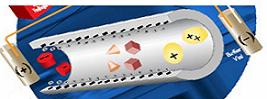
Mwongela’s research interests are on the application of analytical chemistry to investigate complex chemical and biochemical phenomena with an emphasis in the use of capillary electrophoresis (CE) for analytical, bioanalytical and environmental separations. Bio-analytical One particular area of interest to us is developing CE quantitative methods to help us understand how biomolecules such as lipids or proteins affect cellular signal transduction (how cells receive, process, and transmit signals in order to carry out a given cellular response). There is intriguing evidence in literature accounting to the involvement of lipids in cell signaling. In addittion, lipids signaling is proving to be extremely important in clinical medicine.
The optmized CE separation methods using fluorescent lipids may find applications in drug screening as well as development of cell-based assays for a number of diseases including cancer. Read more about this bio-analytical project. Analytical ( material and "green") chemistry The Mwongela lab is also interested in the synthesis, characterization, and application of novel polymeric materials for use as molecular micelles or as inner wall capillary coatings. The common commercially available surfactants have not been effective in the separation of some chemical compounds and biomolecules in CE. Therefore, there is need for continued investigation for new materials or surfactants with excellent separation capabilities for compounds such as neutral and highly hydrophobic analytes e.g., polycyclic aromatic hydrocarbons (PAHs), chiral acidic compounds, as well as lipids and proteins.
Read more about this material and green chemistry project. Curious about some applications of separation science click here
|
|
| Web Master | Last modified:
January 16, 2009
|

 Our goal is to develop capillary electrophoresis (CE) separation methods that can be used to measure enzyme activity either in a large cell population or in single cells.